Arch. Endocrinol. Metab. 2024;68: e240023
Characterization of adult patients with X-linked hypophosphatemia at a specialized center in Buenos Aires, Argentina

DOI: 10.20945/2359-4292-2024-0023
ABSTRACT
Objective:
The study objectives were to characterize adult patients with XLH treated at a referral center, assess their physical function and the impact of X-linked hypophosphatemia (XLH) on their quality of life, and estimate their adherence to conventional treatment.
Subjects and methods:
Observational, retrospective study of patients with XLH from a referral center in Argentina, based on demographic and clinical data, complementary methods, and validated questionnaires (WOMAC, PROMIS, and SF-36).
Results:
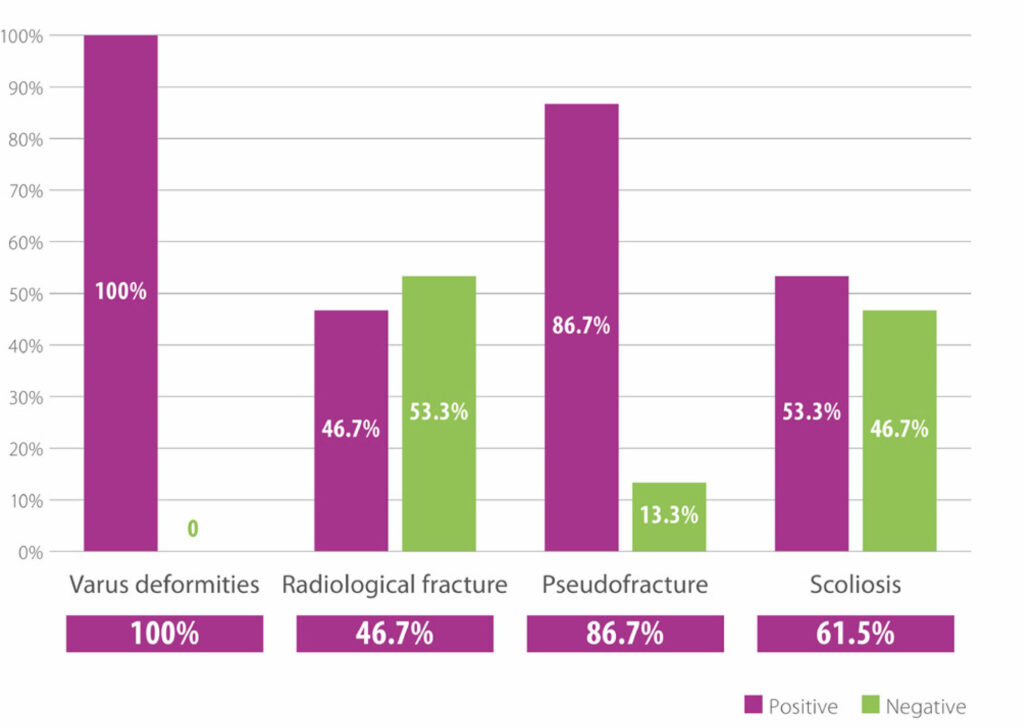
Sixteen patients (age: 40.3 ± 13.2 years; female: 87.2%) were included. All patients had clinical and/or radiological skeletal manifestations (lower limb malformations and/or pseudofractures). The prevalence of clinical fractures was 60%. Hearing loss was the most frequent extraskeletal finding (67%). The WOMAC score was 47.8 ± 26 (62.5% of patients had ≥ 40 points). The PROMIS score was 23-33 (43% of patients) and ≥ 34 in 14% of patients. Except for emotional function, the median scores of the SF-36 domains were below 50 points. Only 20% of patients had good adherence to conventional treatment.
Conclusions:
Adult patients with XLH have numerous unmet needs, with frequent bone and extraskeletal complications. Physical function and quality of life scores were poor. Adherence to conventional treatment was unsatisfactory. Long-term studies are required to characterize these patients and confirm the efficacy and safety of continuous treatment, such as anti-fibroblast growth factor-23 monoclonal antibodies.