Arch. Endocrinol. Metab. 2026;70(2): e260020
Accuracy of clinical risk factor-based models as a screening test for detecting gestational diabetes mellitus in a low-resource setting

DOI: 10.20945/2359-4292-2026-0020
Abstract
Objective:
Screening and diagnosing gestational diabetes mellitus (GDM) usually requires a 2-hour, 75 g oral glucose tolerance test (OGTT), which can be challenging for both patients and healthcare systems. Alternative clinical risk factor-based models have been suggested but have not been extensively tested, particularly in low-resource countries. This study aimed to evaluate the accuracy of these risk factor-based models as screening tools.
Subject and methods:
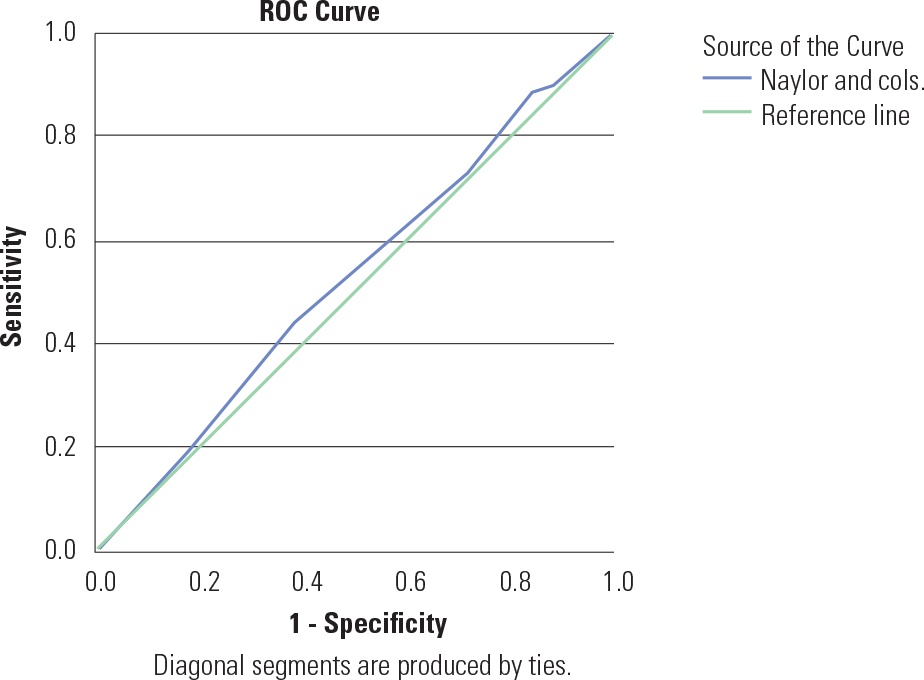
This prospective cohort study involved 400 consenting pregnant women receiving antenatal care in Lagos, Nigeria. Participants were evaluated for GDM risk using three clinical models and underwent universal screening and diagnosis at 24 to 28 weeks with a single-step, 2-hour 75g OGTT, using IADPSG/WHO criteria. The Receiver Operating Characteristic (ROC) curve was used to assess the accuracy of the risk factor-based models.
Results:
The mean age of the subjects was 31.0 ± 5.3 years. The prevalence of GDM, according to the IADPSG/WHO 2013 criteria, was 19.0%. Using the clinical risk score models developed by Naylor and cols., Caliskan and cols., and Phaloprakarn and cols., positive risk scores for GDM were found in 85%, 67.3%, and 93.8% of subjects, respectively. The sensitivity, specificity, and accuracy of these models ranged from 71.1% to 96.1%, 6.7% to 33.6%, and 23.8% to 40.8%, respectively. However, the negative predictive values were relatively high, ranging from 83.2% to 88%.
Conclusion:
The clinical risk factor-based prediction models evaluated in this study may effectively identify women at low risk for GDM who can be exempted from the 2-hour OGTT.