Arch. Endocrinol. Metab. 2026;70(special issue 1): e250062
Clinical dermatoendocrinology: saving lives by looking at the skin

DOI: 10.20945/2359-4292-2025-0062
ABSTRACT
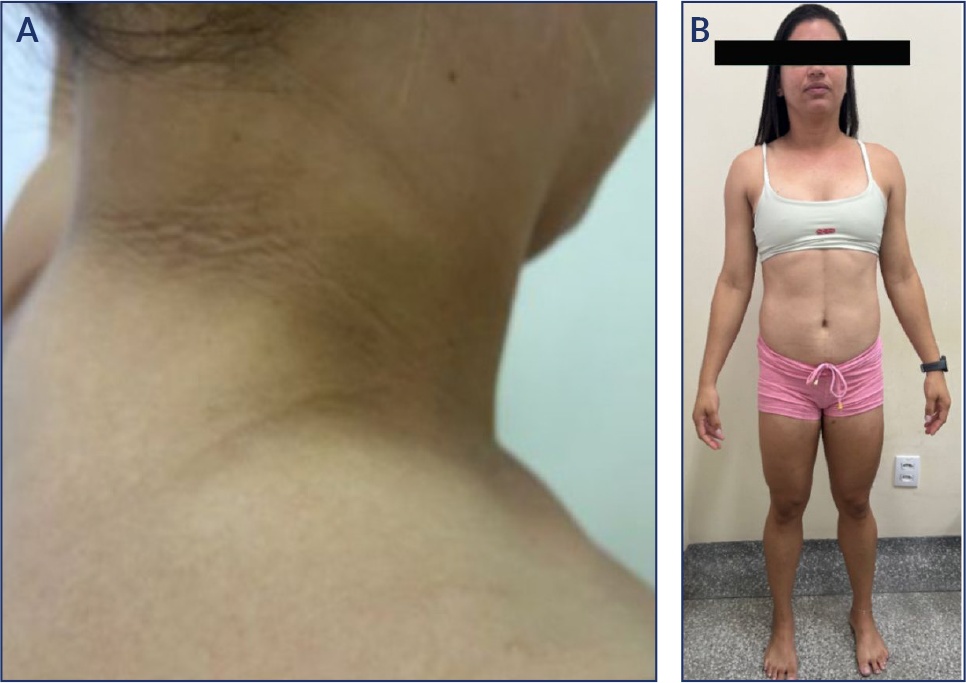
The separation of the interior from the exterior environment through the skin was fundamental for the evolutionary progression from prevertebrates into vertebrates. The development of the skin also established an internal environment controlled by hormones. The skin is influenced by different hormones; it is also the largest endocrine organ, producing several hormones. Skin inspections often save lives from skin cancer but can also diagnose potentially deadly endocrine diseases. The objectives of this review were to describe the emergence and definition of dermatoendocrinology and to focus on the clinical diagnosis of cutaneous manifestations of endocrine disorders, some of which are potentially fatal. This narrative review was based on a comprehensive search using the term “dermatoendocrinology” since its creation in 2001 in the PubMed® database. Subsequently, a complementary search was performed with combinations of the keywords “skin”, “insulin”, “diabetes”, “thyroid”, “adrenal”, “sex hormones”, “parathyroid hormone”, and “growth hormone.” A total of 111 articles were included. The cutaneous manifestations of Itabaianinha syndrome (isolated growth hormone deficiency) and five anecdotal cases that enabled life-saving therapeutic measures are reported. The dermatoendocrine conditions described include acanthosis nigricans and androgenetic alopecia (insulin resistance), necrobiosis lipoidica diabeticorum and granuloma annulare (diabetes), pretibial myxedema (hyperthyroidism), xerosis cutis (hypothyroidism), purple striae and facial plethora (hypercortisolism), hyperpigmentation (primary adrenal insufficiency), dryness and urogenital atrophy (hypoestrogenism), hirsutism and virilization (hyperandrogenism), pruritus and calcium deposition (hyperparathyroidism), thinness, wrinkling, and reduced sweating (growth hormone deficiency), and thick oily skin with excessive sweating (acromegaly). Skin inspection allows the diagnosis of serious endocrinopathies.
Keywords: dermatology; Endocrinology; Skin