Arch. Endocrinol. Metab. 2025;69(1): e240373
Effects of a cardioprotective nutritional program on apolipoproteins and lipids in secondary cardiovascular disease prevention

DOI: 10.20945/2359-4292-2024-0373
ABSTRACT
Objective:
This study aimed to evaluate the impact of the Brazilian Cardioprotective Nutrition Program (BALANCE Program) on the plasma levels of various apolipoproteins (A-I, A-II, B, C-II, C-III, and E) and lipid biomarkers over a three-year follow-up period in individuals undergoing secondary cardiovascular prevention.
Subjects and methods:
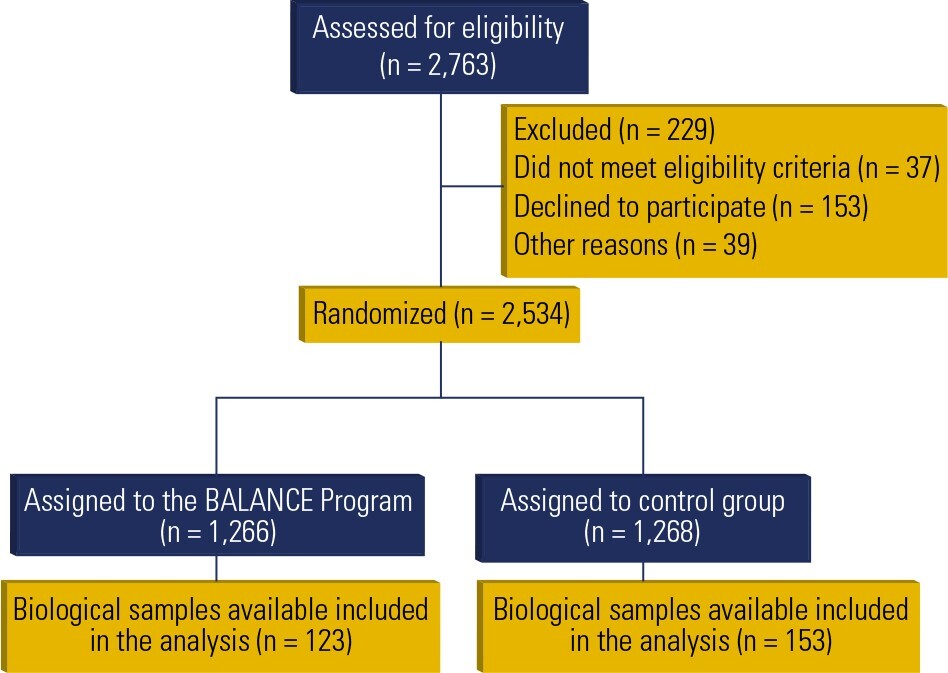
This exploratory analysis included 276 patients aged 45 years or older with a history of cardiovascular disease within the preceding decade. Participants were randomly assigned to one of two groups and monitored over three years: the BALANCE Program group (intervention group; n = 123) and the control (conventional nutritional advice; n = 153). Assessments of clinical and lifestyle data, anthropometry, food intake, plasma apolipoproteins, and lipid profiles were conducted at baseline and at the 3-year follow-up. Intervention adherence was measured utilizing the BALANCE dietary index.
Results:
By the end of the follow-up period, adherence was significantly higher in the intervention group (mean difference BALANCE-control [95% CI]: 2.09 points [-0.19; 4.37]), mainly due to increased consumption of fruits, vegetables, legumes, and low-fat dairy products. There were no significant differences in plasma apolipoprotein levels between the groups throughout the study. Nevertheless, significant reductions were observed in the total cholesterol and non-HDL cholesterol levels in the BALANCE group compared to the control group (mean difference intervention-control [95% CI]: -9.95 mg/dL [-18.5; -1.39] and -8.86 mg/dL [-17.53; -0.2], respectively).
Conclusion:
Following three years of intervention, despite higher adherence to the BALANCE Program, there were no significant changes in plasma apolipoprotein concentrations or overall lipid biomarkers.
Keywords: Apolipoproteins; cardiovascular diseases; diet; healthy; secondary prevention